


Bridging Loans Explained Costs Benefits and Real Life Examples for Investors and Developers

A strong property deal can disappear in days. A chain can stall, an auction deadline can loom, or a site can need fast funding before a longer-term facility is ready. That is where bridging finance earns its place.
Bridging loans are short-term property-backed loans designed to “bridge” a funding gap. They are often faster and more flexible than mainstream mortgages, but they are also more expensive. Used well, they can help an investor secure a bargain, complete a refurbishment, or move quickly on a development opportunity. Used poorly, they can become a costly way to delay a difficult decision.
This guide breaks down how bridging loans work, what they cost, where they can be useful, and what to check before signing. It is written for general information only and is not financial advice. Independent advice is sensible before taking on any secured lending.

What bridging loans are and why they exist
A bridging loan is a short-term loan secured against property or land. It is normally used when funds are needed quickly and will be repaid from a clear future event, such as a property sale, refinance, or completed development facility.
The key idea is temporary finance. A lender is not usually looking for a 25-year repayment plan. They want to see a credible route out within a relatively short period, often a few months to two years.
Common uses include:
Buying a new property before selling an existing one
Completing an auction purchase within a tight deadline
Refurbishing an unmortgageable property before refinancing
Securing land or a development site before full planning or development finance is agreed
Releasing capital tied up in one property to fund another purchase
Rescuing a stalled transaction where timing is critical
Most bridging loans are secured by a first charge or second charge over property.
A first charge bridge sits ahead of any other loan on the title. If the borrower defaults, the bridging lender has first claim on the secured asset.
A second charge bridge sits behind an existing lender, usually a mortgage provider. These loans tend to need consent from the first charge lender and can be more expensive because the bridging lender carries more risk.
Bridging finance can be arranged for residential property, commercial property, semi-commercial buildings, land, and development projects. The security, valuation, exit plan, borrower experience, and loan-to-value ratio all affect whether a lender will offer terms.
How bridging loan costs and interest rates work
Bridging loans are priced differently from standard mortgages. The lender is taking a short-term, higher-risk position, often under time pressure, so the total cost can rise quickly if the loan is not managed carefully.
The headline interest rate is only one part of the cost.
Cost | How it usually works | What to check |
Interest | Often charged monthly rather than annually | Whether it is retained, rolled up, or serviced monthly |
Arrangement fee | Commonly charged as a percentage of the loan | Whether it is added to the loan or paid upfront |
Valuation fee | Paid for a surveyor’s assessment of the security | Whether multiple properties need valuations |
Legal fees | Borrower usually pays their own and the lender’s legal costs | Whether the lender requires separate representation |
Broker fee | May apply if the loan is arranged through an intermediary | When it becomes payable |
Exit fee | Some lenders charge a fee when the loan is repaid | Whether it applies in all cases or only certain products |
Default interest | Higher rate if the loan runs past term or breaches terms | The exact trigger points and daily cost |
Bridging loan interest rates are often quoted as a monthly rate. For example, a lender may quote interest per month rather than per year. This can make the rate look smaller at first glance, so it is essential to calculate the full cost across the expected term.
There are three common ways interest is handled.
Serviced interest
The borrower pays interest every month. This can lower the loan balance, but it requires reliable cash flow. It may suit income-producing properties or experienced investors with cash reserves.
Rolled-up interest
Interest is added to the loan and paid at the end. This helps preserve cash during a purchase or refurbishment, but the debt grows during the term.
Retained interest
The lender withholds the interest for an agreed period at completion. For example, if a 12-month bridge has interest retained, the borrower receives the net funds after the interest has been set aside. This can be helpful where there is no monthly income, but it reduces the cash available on day one.
Here is a simplified example.
An investor borrows £300,000 for 9 months at a monthly interest rate. The arrangement fee is 2 per cent, and valuation and legal costs also apply. Even before exit fees or broker fees, the total cost could be several thousand pounds. If the project overruns by three months, the interest bill rises further and may affect the profit on the deal.
That is why a bridging loan should be assessed on total cost, not just the rate.
The most expensive bridge is not always the one with the highest headline rate. A loan with a lower rate but high exit charges, slow legal work, strict default terms, or poor flexibility can cost more in practice.

Where bridging loans help investors and developers
Bridging loans are not a universal fix. They work best when speed, certainty, or asset improvement creates value that outweighs the cost of borrowing.
Auction purchases with tight completion deadlines
Auction buyers often need to complete within a set period after the hammer falls. A standard mortgage may not be ready in time, especially if the property has structural issues, missing kitchens, short leases, or other complications.
A bridge can allow the buyer to complete on time, carry out works, and then refinance onto a buy-to-let or commercial mortgage once the property meets lender criteria.
For investors, this can turn a discounted lot into a financeable asset. The risk is that auction purchases are binding. Due diligence must happen before bidding, not after.
Refurbishment before refinancing
Many property investors use bridging loans to buy homes that need work. If a property is not mortgageable at purchase, high-street lenders may decline it. A bridging lender may still consider it if the valuation, works plan, and exit route are strong.
This is common for:
Properties without a working kitchen or bathroom
Heavy refurbishment projects
Houses being converted into flats, subject to planning and building control
Buy-to-let properties needing works before they can be let
Mixed-use properties where income needs to be improved
The exit is often a refinance based on the improved value, sometimes called the gross development value or post-works value in heavier projects. Lenders will still test the numbers carefully. A higher expected value does not guarantee a higher refinance.
Buying before selling
A buyer may find the right property before their current one has sold. A bridging loan can fund the purchase, then be repaid when the existing property completes.
This can help avoid losing the new purchase. It can also put the buyer in a stronger position if they are not relying on a long chain.
The main risk is obvious. If the existing property takes longer to sell, or sells for less than expected, the bridge may become expensive. A conservative sale price and a realistic timescale matter.
Development land and planning opportunities
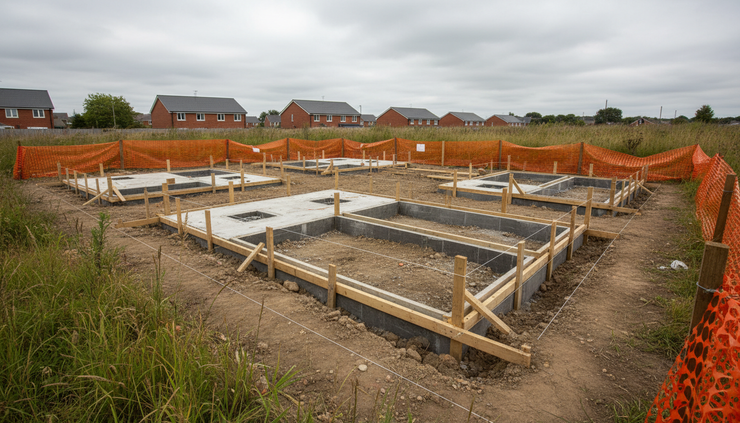
Developers sometimes use bridging finance to secure a site while they finalise planning, discharge conditions, or arrange full development funding.
A site with planning potential can move quickly. Waiting for a slower funding route may mean losing the opportunity. A short-term bridge can provide control of the asset while the developer prepares the next stage.
This can work well where there is a clear uplift in value, but planning risk should not be underestimated. If consent is delayed or refused, the exit plan may fail.
Chain breaks and transaction rescue
Property chains can collapse because one buyer’s finance falls through or a completion date cannot be met. A bridging loan can plug the gap and keep the deal alive.
For experienced investors and developers, this can protect months of legal work and negotiation. The bridge effectively buys time. That time must be worth more than the cost.
What to consider before choosing a bridging loan
A bridging loan should start with the exit, not the purchase. If the repayment plan is weak, the speed of the money can become a trap.
The exit plan must be clear
Lenders usually want to know exactly how the loan will be repaid. Common exits include:
Sale of the secured property
Sale of another property
Refinance onto a buy-to-let mortgage
Refinance onto a commercial mortgage
Development finance replacing the bridge
Cash from a confirmed source
The best exit plans have evidence behind them. A property already on the market, a mortgage decision in principle, comparable sales, planning milestones, or signed heads of terms can all strengthen the case.
A vague plan to “sell later” is not enough.
Loan-to-value affects both cost and choice
Loan-to-value, often shortened to LTV, compares the loan amount with the value of the security. A lower LTV usually gives the lender more comfort. A higher LTV may cost more and attract stricter terms.
For refurbishment and development cases, lenders may look at current value, purchase price, cost of works, and expected end value. They may release funds in stages rather than all at once.
The property must support the loan
A bridge is secured lending, so the quality of the security matters. Lenders will look at location, condition, demand, saleability, title issues, lease length, planning status, and any legal restrictions.
A property can be attractive to an investor but still difficult for a lender. For example, a rural commercial unit, a defective lease, or a property with unresolved planning breaches may limit lender appetite.
Speed should not replace due diligence
Bridging loans are known for speed, but fast completion does not remove the need for checks. At minimum, borrowers should understand:
The valuation basis
The legal title
Planning and building control position
Refurbishment budget and contingency
Tax implications
Insurance needs
Early repayment terms
Default terms
Personal guarantees, if required
A cheap loan that arrives too late can kill a deal. A fast loan with poor terms can damage returns. The right answer sits between speed, cost, and certainty.
Stress-test delays and lower values
Many bridging projects fail on timing rather than concept. Builders overrun. Sales take longer. Lenders ask more questions on refinance. Surveyors value lower than expected.
A sensible appraisal should include a buffer for:
Extra months of interest
Higher build costs
Lower resale value
Longer sales period
Legal delays
Empty property running costs
If the deal only works under perfect conditions, the bridge increases risk rather than solving it.
Real-life style examples of bridging loans in use
The following examples are illustrative, but they reflect common ways investors and developers use bridging finance across the UK.
The auction flat that needed work before a mortgage
An investor buys a two-bedroom flat at auction for £180,000. The property has no working kitchen, damaged flooring, and an outdated bathroom. A mainstream buy-to-let lender will not lend until the property is habitable.
The investor uses a bridging loan to complete within the auction deadline. The loan covers part of the purchase price, while the investor funds the deposit, stamp duty, and works from cash reserves.
The refurbishment takes 10 weeks. Once complete, the flat is let and refinanced onto a buy-to-let mortgage. The bridge is repaid from the refinance.
What made it work:
The works were clear and not structural
The investor had a realistic refurbishment budget
The exit lender’s criteria were checked early
The rental demand was strong enough to support the refinance
What could have gone wrong:
A low refinance valuation
Service charge or lease issues
Contractor delays
Auction legal pack problems missed before bidding
The developer securing a small site before planning approval
A small developer finds a disused building with potential for conversion into several flats. The seller wants a quick completion and will not wait for a long planning process.
The developer uses a short-term bridge to acquire the site. During the loan term, the developer submits planning, works with consultants, and prepares a development finance application.
Once planning is granted and the development facility completes, the bridge is repaid.
What made it work:
The developer had prior experience
The site had a realistic planning argument
The purchase price allowed for planning risk
The lender accepted the proposed exit into development finance
What could have gone wrong:
Planning refusal
A lower site valuation
Higher professional fees
Development lender changing its appetite
The homeowner-investor avoiding a broken chain
A buyer wants to purchase a property with scope for a future extension. Their existing home is under offer, but the sale is delayed due to the buyer’s mortgage process.
Rather than lose the onward purchase, the buyer arranges a bridging loan secured against the existing property and the new purchase. When the sale completes several weeks later, the bridge is repaid.
What made it work:
The existing property had a committed buyer
The sale price was realistic
The borrower understood the cost of extra time
The solicitor could handle the linked transactions quickly
What could have gone wrong:
The sale falling through
A down valuation on the buyer’s mortgage
Chain delays lasting months rather than weeks

The final takeaway for investors and developers
Bridging loans can be powerful when a property opportunity has a clear route from purchase to repayment. They can help secure auction lots, fund refurbishments, hold development sites, and rescue time-sensitive transactions.
The trade-off is cost and risk. Interest is usually higher than standard mortgage finance, fees can add up, and delays can quickly reduce profit. The most important question is not “Can I get the bridge?” It is “How exactly will I repay it, and what happens if the plan slips?”
A good bridging loan has three things: a strong asset, a realistic exit, and enough margin for delays. If those are in place, short-term finance can turn speed into an advantage rather than a liability.


Comments